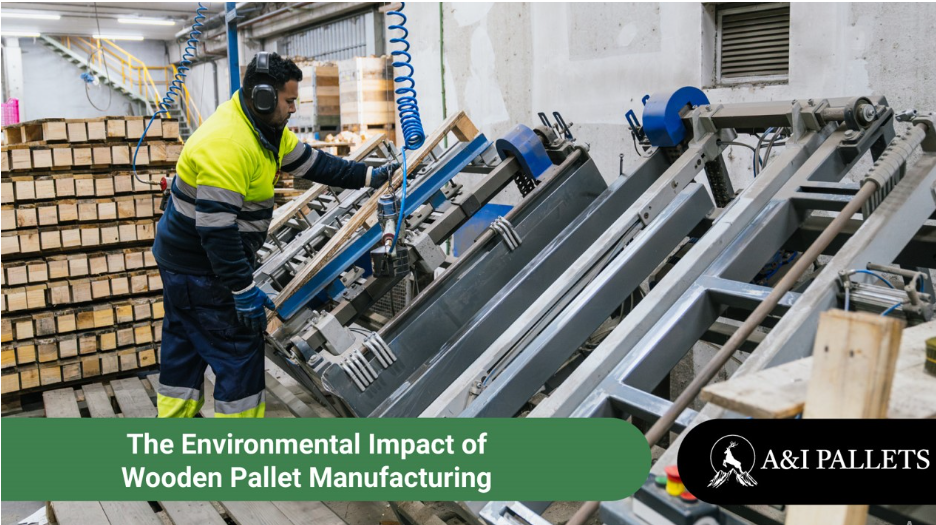
Wooden pallet manufacturing has a measurable environmental impact across forestry, energy use, transportation, and end-of-life disposal. Businesses searching for wood pallets for sale often focus on price and availability, but the environmental footprint behind production is an important operational consideration. Wooden pallets are typically manufactured from hardwood or softwood lumber, requiring harvesting, milling, drying, cutting, and assembly. Each step consumes energy and contributes to emissions.
At the same time, wood pallets remain one of the most widely reused and recycled industrial platforms. Companies evaluating wood pallets for sale near me may reduce transportation emissions by sourcing locally, which lowers fuel consumption and delivery-related carbon output. Understanding both the environmental costs and sustainability benefits allows businesses to make informed procurement decisions.
Forest Resource Use and Raw Material Harvesting
Wood pallets are commonly produced from fast-growing species such as pine or oak. Sustainable forestry practices help reduce long-term environmental strain, but unmanaged harvesting can contribute to deforestation and habitat disruption.
Key environmental considerations include:
• Timber sourcing practices
• Replanting and forest regeneration programs
• Biodiversity protection
• Land management policies
Certified forestry programs aim to balance industrial demand with long-term ecosystem health. Responsible sourcing reduces environmental degradation while maintaining supply continuity.
Energy Consumption in Manufacturing
The pallet production process involves sawmilling, kiln drying, cutting, and mechanical assembly. Kiln drying is one of the most energy-intensive steps, requiring controlled heat to reduce moisture content.
Energy use contributes to:
• Greenhouse gas emissions
• Fossil fuel consumption
• Manufacturing waste
Facilities that integrate renewable energy or high-efficiency drying systems can reduce carbon intensity. Businesses evaluating wood pallets for sale company options should consider manufacturing practices that support reduced emissions.
Transportation and Local Sourcing
Transportation significantly affects the overall environmental footprint of wooden pallets. Long-distance shipping increases fuel consumption and carbon output.
Sourcing wood pallets for sale near me can reduce:
• Freight mileage
• Fuel-related emissions
• Delivery time variability
Regional sourcing strategies lower transportation impact while supporting local supply chains. Reduced transit distances also decrease handling-related damage, extending pallet lifecycle.
Reuse and Repairability Advantages
One environmental advantage of wooden pallets is their repairability. Damaged boards can often be replaced, extending service life.
Benefits of repair and reuse include:
• Lower raw material demand
• Reduced landfill waste
• Extended product lifecycle
Bulk wood pallets are frequently collected, repaired, and redistributed through pallet recovery networks. This circular model decreases total resource consumption compared to single-use packaging platforms.
End-of-Life Recycling and Material Recovery
At the end of their usable life, wood pallets can be recycled into mulch, biomass fuel, or composite materials. Recycling reduces landfill accumulation and extracts additional value from raw lumber.
Common recovery pathways include:
• Grinding into landscape mulch
• Biomass energy production
• Particleboard manufacturing
Businesses asking where can i get pallet wood often refer to reclaimed lumber for DIY projects or secondary uses. Reclaimed pallet wood supports reuse before disposal, contributing to waste reduction strategies.
Carbon Footprint Considerations
Wood is a renewable material that stores carbon during tree growth. This sequestration can partially offset emissions generated during manufacturing and transport.
However, total carbon impact depends on:
• Harvesting practices
• Processing energy sources
• Transportation distance
• Lifecycle management
When bulk wood pallets are reused multiple times, their per-use carbon footprint decreases. Extending pallet lifespan is one of the most effective environmental mitigation strategies.
Comparing Wooden Pallets with Alternative Materials
Plastic and composite pallets offer durability advantages but rely on petroleum-based materials. Wooden pallets require forestry resources but provide biodegradability and recyclability benefits.
Environmental evaluation should consider:
• Manufacturing emissions
• Repairability
• Recycling infrastructure
• Lifecycle duration
No pallet system is impact-free. Sustainable selection depends on operational needs and lifecycle planning.
Wood Pallets for Sale Company Evaluation
When assessing a wood pallets for sale company, environmental responsibility may include:
- Certified sustainable lumber sourcing
• Efficient kiln-drying systems
• Active pallet repair programs
• Material recovery partnerships
Suppliers investing in circular systems reduce total environmental burden while maintaining performance standards.
Bulk Wood Pallets and Supply Efficiency
Bulk wood pallets reduce per-unit transportation emissions when delivered in high-volume shipments. Coordinated logistics lowers freight frequency and fuel use.
High-volume distribution networks also increase the likelihood of pallet recovery and refurbishment. Operational efficiency supports both economic and environmental performance goals.
Frequently Asked Questions
Are wooden pallets environmentally friendly?
Wooden pallets can be environmentally responsible when sourced from sustainably managed forests and reused multiple times. Their recyclability and biodegradability offer advantages compared to some synthetic materials.
Does local sourcing reduce environmental impact?
Yes. Purchasing wood pallets for sale near me lowers transportation distance, which reduces fuel consumption and carbon emissions associated with freight.
Can wooden pallets be recycled?
Wooden pallets are commonly recycled into mulch, biomass fuel, or engineered wood products. Repair and reuse programs further extend lifecycle value before recycling.
How does kiln drying affect emissions?
Kiln drying consumes energy and contributes to emissions, particularly when fossil fuels power the system. Facilities using renewable energy sources can reduce this impact.
Is reclaimed pallet wood environmentally beneficial?
Yes. Reclaimed pallet wood reduces demand for newly harvested lumber and diverts material from landfills, supporting resource efficiency.
Summary
Wooden pallet manufacturing affects forest resources, energy consumption, and transportation emissions. Businesses evaluating wood pallets for sale and wood pallets for sale near me should consider sourcing practices, repairability, and recycling systems when assessing environmental footprint. Bulk wood pallets, local procurement, and circular recovery programs reduce overall impact while maintaining supply chain functionality. Understanding lifecycle factors enables more sustainable operational decisions.
A&I Pallets: Best Wood Pallets for Sale
Are you looking for wood pallets for sale? If so, you have come to the right place. A&I Pallets is a leading plastic and wood pallets company. If you need pallets with a specific requirement, such as customization, A&I Pallets can help. Our top-quality pallets are affordable and will exceed your expectations. We are the best wood pallets company, so call today to see what we can do for you – (323) 567-8574.
Leave a Reply