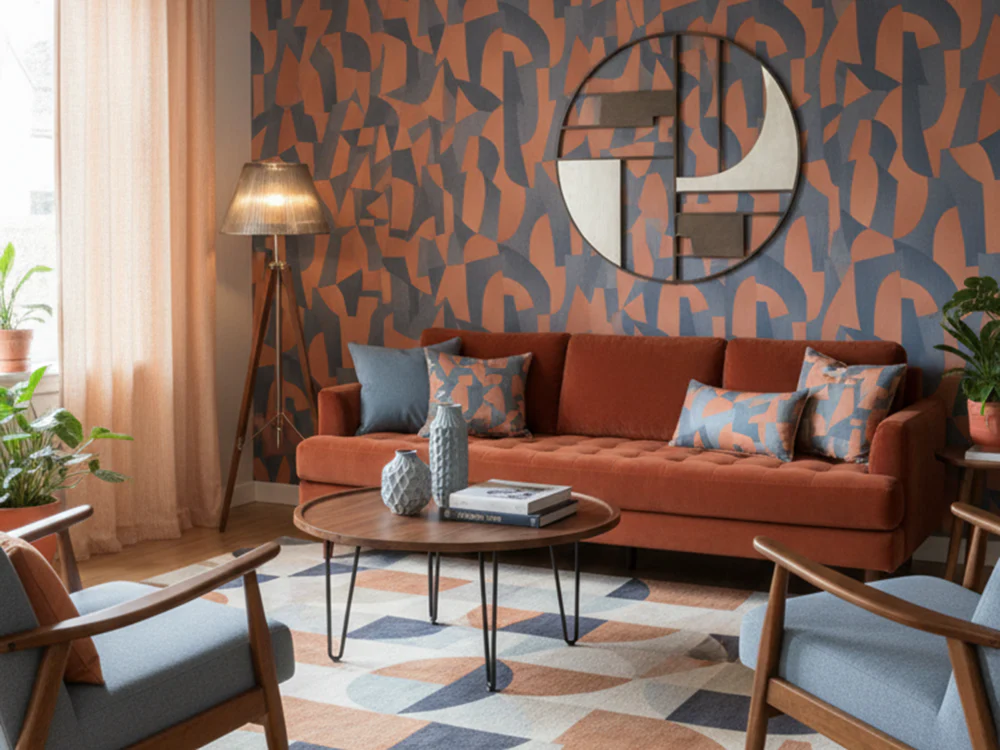
Minimal interiors have become one of the most prominent trends in the modern architecture and home-design industry. It emphasizes simplicity, uncluttered spaces and clean lines. On the other hand, Minimalism does have this odd tendency to feel a little stale or hollow. This is where Plaster Art can really impact and balance the visual side and emotional side.
The Plaster Wall Art collection is tailored for contemporary interior designs by methods of detailed Wall Texture and sculptural surface design to infuse a classic elegance. It does not reference colours or complex images, and instead highlights the material depth of objects, their light interaction and their physical form. This results in a highly regarded visual reality, directly suited to everyday lifestyle spaces today.
Insights on Plaster Art in Contemporary Design
Plaster Art — A type of wall expression done with layered plaster materials to give texture and depth on a flat surface. Plaster art is physical, not only visual like what you see with paintings.
The ridges create a sculptural quality that plays with light and shadow, and the work seems to vibrate during the course of the day.
Plaster Art features include:
Three-dimensional surface structure
Soft sculptural transitions
Natural, organic form creation
Minimal color dependency
Character heavy in texture and material depth
This is particularly ideal for contemporary interiors that are less about visual stimulation and more about subtle sophistication.
For a minimal type of home, its good to maintain the wall texture.
Features of Plaster-Based Wall Texture for Interior Design
Wall Texture is one of the vital components while designing an interior as it defines a space, not in terms of how it looks but for how it feels. In a more minimal space, where much of the furniture and decoration is stripped back, texture becomes the key visual interest.
Features of Plaster based wall texture for beautifying interiors are as follows:
Soft depth to flat walls
Creating shadow movement across surfaces
Breaking visual monotony
Introducing architectural warmth
Though they can also feel cold and half-finished, minimalist spaces respond well to texture. With Plaster Art, the walls transform from backgrounds to characters in the story of your design.
How Plaster Wall Art Creates Ambiance in Interior Spaces
Plaster Wall Art designed to add atmosphere instead of being it It’s an important rule of contemporary interior design – art should complement the space, not dominate.
Plaster artworks when given to be in a room:
Create a subtle focal point
Add depth without clutter
Improve visual flow
Balance light and shadow naturally
This makes them perfect for environments where serenity and sophistication is key.
Dynamic Depth and Light Interaction
Perhaps one the most interesting facets of Wall Texture in plaster art is how it reacts with light. Plaster surfaces differ from a flat artwork, actually here the way your plaster changes is dependent upon external light conditions.
There are soft highlights and gentle contrast in the morning light.
Afternoon light enhances structural details
What they do know, however, is that shadows and mood are deepened by the night lights.
This dynamic of a feel ensures the artwork never seems stagnant. Instead, it shifts with the passing of time, allowing interiors to feel more organic and alive.
How to Bring Emotional Impact by Adding Plaster Art in Interiors
Apart from aesthetics, Plaster Art also serves as a psychological element of the interior spaces. Emotional comfort and visual grounding are achieved by humans who correctly respond to texture and depth
The emotional benefits include:
A sense of calm and stability
Decreased visual anxiety in minimal areas
Greater sense of warmth/comfort
The perception of luxury in a subtle form, without excessive decor
This high versatility of plaster-based artwork makes them perfect for residential and commercial variations.
Ideal Interior Applications
The Plaster Wall Art Collection is quite versatile and can be used in many different design scenarios:
Living Rooms
Serves as a primary feature wall, bringing sophisticated depth and sophistication.
Bedrooms
Inspires peaceful and tranquil atmosphere that promotes relaxation.
Offices
Adds Concentration, Semper Fi, Built & Soft Visual Aesthetic.
Luxury Interiors
The subtle sophistication of high-end design concepts, complements.
Styling Guidelines for Best Results
When using Plaster Art, less is truly more, so make sure your interiors are clean and considered:
Go for white, beige or a gentle grey when picking on the wall tone
Do not overload on excess weight or heavy style furniture
Essential directional warm light for emphasising texture
Use white-space around art to give it some breathing room
These principles help to keep the Wall Texture as the centre-piece of the room.
Abstract Expression of Wall Surface and Design Freedom
Topics Imagine.wall surface. In short, plaster wall art is one of the favorite styles of designers: people here in design become a little free, have fun and let off some steam to give full imagination和表达想象力。
Modern Design Philosophy and the Role of Plaster Art
Modern design philosophy dictates why so many art works are based on plaster; interior designers:
Timeless and non-trendy appearance
Works across multiple design styles
Material-focused rather than decorative
Augments not compete with architecture
Common in Scandinavian, Japandi and modern luxury interiors.
Conclusion
The Plaster Wall Art Collection is a more sophisticated take on the modern home decor. Conceiving minimalistic walls for sculptural design, it shapes the ordinary of these through carefully designed Plaster Art and expressive Wall Texture.
The rich, quiet sophistication of dark indigo lends modern spaces both depth and tranquility, while also being an important element in contemporary minimal decor.
Leave a Reply