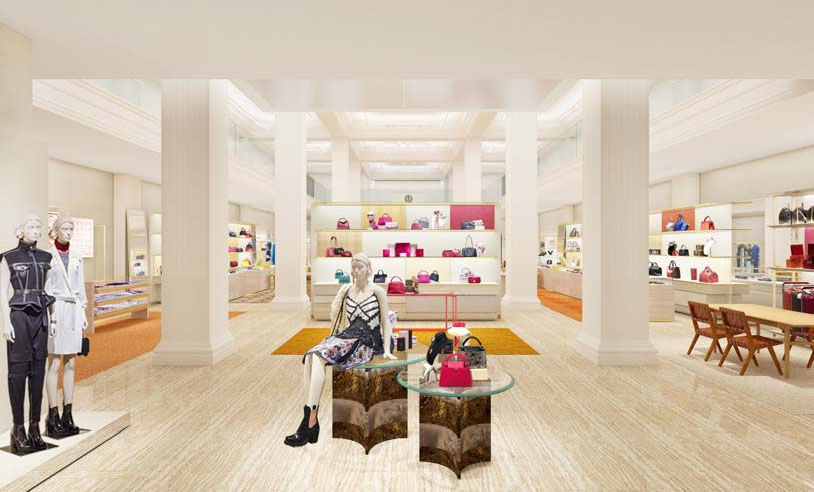
The world of premium fashion brands Luxury Fashion Brands represents far more than clothing and accessories. These brands symbolize craftsmanship, exclusivity, heritage, and status. From iconic runway collections to timeless handbags and tailored suits, premium fashion labels continue to shape global trends while influencing lifestyle, culture, and personal identity. As consumers increasingly seek quality over quantity, premium fashion brands remain at the forefront of luxury shopping and sophisticated style.
What Are Premium Fashion Brands?
Premium fashion brands are labels known for their exceptional quality, innovative designs, and strong brand identity. Unlike fast fashion companies that focus on mass production, premium brands emphasize superior materials, skilled craftsmanship, and limited exclusivity. These fashion houses often combine tradition with modern creativity, producing collections that become symbols of elegance and prestige.
Premium fashion exists between mainstream retail and ultra-luxury couture. While luxury brands cater to the highest-end clientele, premium brands offer a balance of exclusivity and accessibility. They provide consumers with refined products that deliver both style and durability.
The Appeal of Premium Fashion
One of the biggest reasons consumers invest in premium fashion brands is quality. Premium garments and accessories are often made using superior fabrics such as Italian leather, cashmere, silk, and fine wool. Skilled artisans pay close attention to stitching, detailing, and finishing, ensuring every piece meets high standards.
Another important factor is timeless style. Premium brands tend to create designs that remain fashionable for years rather than focusing solely on short-term trends. A premium handbag, tailored blazer, or pair of designer shoes can become a long-lasting wardrobe staple.
Brand reputation also plays a significant role. Wearing premium fashion often reflects personal success, sophistication, and appreciation for craftsmanship. Consumers associate these labels with confidence, exclusivity, and refined taste.
Iconic Premium Fashion Brands
Several fashion houses dominate the premium fashion industry through innovation, heritage, and global recognition.
Louis Vuitton
Known for luxury luggage, handbags, and ready-to-wear collections, Louis Vuitton remains one of the world’s most recognized premium fashion brands. Its signature monogram designs and collaborations with modern artists have helped maintain its relevance across generations.
Gucci
Gucci blends classic Italian craftsmanship with bold contemporary style. The brand is famous for its luxurious handbags, footwear, and statement apparel. Gucci’s ability to reinvent itself while preserving its heritage makes it a leader in premium fashion.
Prada
Prada is respected for minimalist elegance and innovative designs. The Italian fashion house is especially known for premium handbags, shoes, and sophisticated ready-to-wear collections that appeal to modern professionals and fashion enthusiasts alike.
Burberry
Burberry combines British heritage with contemporary fashion. Its iconic trench coats and signature check patterns have become timeless symbols of premium style. The brand continues to evolve through digital innovation and modern runway collections.
Chanel
Chanel represents elegance and timeless sophistication. Famous for tweed jackets, quilted handbags, and the iconic Chanel No. 5 perfume, the brand continues to influence global fashion trends decades after its founding.
Premium Fashion and Sustainability
Modern consumers are increasingly concerned about ethical production and sustainability. As a result, many premium fashion brands are adopting environmentally friendly practices. They are investing in sustainable fabrics, ethical sourcing, and reduced carbon emissions.
Luxury consumers now value transparency as much as design. Premium brands are responding by improving supply chain accountability and promoting long-lasting fashion instead of disposable clothing. This shift not only supports the environment but also aligns with the philosophy of buying fewer, higher-quality items.
Brands are also introducing circular fashion initiatives, including resale platforms, repair services, and recycled collections. These efforts demonstrate how premium fashion can combine luxury with responsibility.
Digital Transformation in Premium Fashion
Technology has transformed how consumers interact with premium fashion brands. Online shopping, virtual runway shows, and social media marketing now play essential roles in the luxury industry. Fashion houses use digital platforms to reach younger audiences while maintaining exclusivity.
Social media influencers and celebrities significantly impact premium fashion trends. A single appearance by a celebrity carrying a designer bag or wearing a premium outfit can instantly boost global demand. Platforms like Instagram and TikTok have become powerful marketing tools for luxury brands.
Additionally, artificial intelligence and augmented reality are enhancing the online shopping experience. Virtual fitting rooms, personalized recommendations, and digital fashion campaigns help brands connect with customers worldwide.
Why Consumers Choose Premium Fashion
Consumers invest in premium fashion for various reasons beyond aesthetics. Durability is a major advantage, as premium products often last much longer than cheaper alternatives. High-quality materials and expert craftsmanship ensure better performance and longevity.
Exclusivity also attracts buyers. Limited collections and carefully controlled distribution create a sense of rarity and prestige. Owning premium fashion pieces allows consumers to express individuality and personal style.
Emotional value is another important factor. Many people associate premium fashion with milestones, achievements, or memorable experiences. A luxury watch, handbag, or designer suit often becomes more than a product—it becomes part of a personal story.
The Future of Premium Fashion Brands
The future of premium fashion will likely focus on sustainability, innovation, and personalization. Consumers are demanding products that align with their values while still delivering luxury and style. Brands that successfully combine ethical practices with creative excellence will continue to thrive.
Digital experiences will become even more immersive, with virtual fashion shows, AI-driven styling, and online customization options shaping the industry. At the same time, craftsmanship and heritage will remain essential, as consumers continue to value authenticity and timeless quality.
Global expansion into emerging markets is also driving growth for premium fashion brands. Rising middle-class consumers in Asia, the Middle East, and Africa are increasingly investing in luxury and premium products.
Conclusion
Premium fashion brands represent the perfect blend of craftsmanship, innovation, exclusivity, and cultural influence. From timeless classics to modern luxury collections, these brands continue to define elegance and inspire fashion lovers around the world. As sustainability and technology reshape the industry, premium fashion houses are evolving to meet changing consumer expectations while preserving their heritage and prestige.
Whether through iconic handbags, tailored suits, or luxury footwear, premium fashion remains a powerful expression of personal style and sophistication. For consumers seeking quality, durability, and timeless appeal, premium fashion brands continue to stand as symbols of excellence in the global fashion industry.
Leave a Reply