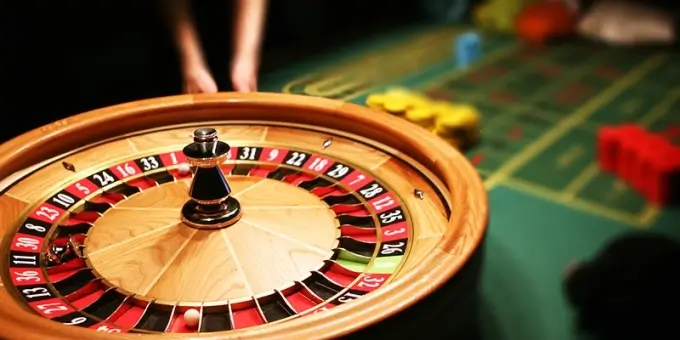
From the clanging mechanical levers of late 19th-century San Francisco to the high-definition, cinematic experiences of today’s digital platforms, the slot machine has undergone a radical transformation. What began as a simple “one-armed bandit” has evolved into a sophisticated blend of advanced mathematics, psychological engineering, and cutting-edge graphic design.
Today, slots represent the most popular category in both land-based and online casinos worldwide. But what exactly makes them so enduringly popular, and how have they adapted to the digital age?
A Brief History: From Gears to Gigs
The first recognizable slot machine, the Liberty Bell, was invented by Charles Fey in 1895. It featured three spinning reels and five symbols: horseshoes, diamonds, spades, hearts, and the Liberty Bell itself. The mechanics were simple: pull a lever, spin the reels, and hope for a physical alignment that triggered a payout.
Fast forward to the 1960s, and the introduction of electromechanical slots allowed for more complex betting patterns. By the 1990s, the “Virtual Reel” technology and the birth of the internet changed everything. Suddenly, a slot was no longer limited by physical gears. Developers could create thousands of stop positions, leading to the massive progressive jackpots we see today.
How Modern Slots Work: The RNG
The biggest misconception about modern slots is that they are “due” for a win or that they run on “hot” and “cold” streaks. In reality, every spin is governed by a Random Number Generator (RNG).
The RNG Factor: This is a microprocessor that generates thousands of numbers per second. The moment you press “Spin,” the RNG selects a number that determines the outcome. Whether you won the previous round or haven’t won in an hour has zero statistical impact on the next result.
To understand the mechanics, players often look at the RTP (Return to Player) percentage. This is a theoretical figure indicating how much of the wagered money a slot will pay back over a long period. For example, a slot with a 96% RTP is designed to return $96 for every $100 wagered—though this is calculated over millions of spins, not a single session.
The Psychology of Engagement
Why do we find slots so captivating? It isn’t just the hope of a jackpot; it’s the sensory experience. Modern game designers utilize several psychological triggers:
-
Near Misses: Seeing two jackpot symbols line up with the third just one tick away triggers a “near-miss” response in the brain, encouraging the player to try again.
-
Lights and Sounds: Celebratory audio cues play even for “losses disguised as wins” (where you bet $2 but “win” back $0.50).
-
Gamification: Modern slots often include leveling systems, unlockable “bonus worlds,” and narratives that mimic video games, making the experience more immersive than a simple gamble.
The Digital Frontier: Slots in Your Pocket
The transition to mobile gaming has seen the slot market explode. Using HTML5 technology, developers create games that run seamlessly on smartphones, offering 3D graphics and complex “Megaways” engines that provide over 117,000 ways to win.
Furthermore, the rise of social slots—where players use virtual currency rather than real money—has introduced the mechanics to a broader demographic, focusing on the social and competitive aspects of gaming.
Conclusion
Whether played in a neon-lit Vegas hall or on a commute via a smartphone, the slot machine remains a marvel of entertainment technology. While the bells and whistles have changed, the core appeal remains the same: the thrill of the spin and the tantalizing possibility of a life-changing moment. As long as players crave a mix of luck and spectacle, the slot will continue to reign supreme in the world of gaming.
Leave a Reply