I still remember the first time I walked into a café in Dhaka. The aroma of fresh coffee, the hiss of the espresso machine, and the way the barista worked with such precision fascinated me. That was the moment I decided I wanted to learn to be a barista.
Enrolling in a Barista Course in Dhaka gave me structured training, which was far more effective than experimenting at home. It taught me how to make coffee with confidence, understand machines, and serve customers professionally. By the end of the course, I felt like I could run a café myself.
Core Skills Students Master in a Barista Course
Espresso and Coffee Brewing Techniques
The first thing I mastered was brewing the perfect espresso. At first, my shots were inconsistent—too weak or too bitter. With guidance, I learned about grind size, tamping pressure, and water temperature. After weeks of practice, pulling a rich, balanced espresso became second nature, and I felt proud of my skill.
Milk Frothing and Latte Art Skills
Frothing milk was tricky at first. My early attempts looked like foam clouds gone wrong. The trainers patiently showed me how to create silky textures and basic latte art designs. When I finally poured my first heart-shaped latte, I felt a surge of excitement. Latte art taught me patience, precision, and a love for coffee as an art form.
Handling Modern Coffee Machines
Working with professional espresso machines was intimidating initially. I learned how to operate grinders, adjust settings, and troubleshoot issues. Once I got the hang of it, I realized that understanding the machine completely changes how confidently you can make coffee. Now, I can work efficiently without fear of mistakes.
Coffee Hygiene and Safety Practices
During the course, I discovered how crucial hygiene is in coffee preparation. From cleaning milk pitchers to storing beans properly, every detail mattered. Following these rules became routine, and I noticed a huge improvement in the taste and consistency of my drinks. It also gave me confidence to work in professional cafés.
Advanced Skills and Specialty Training
The course went beyond basic coffee. I experimented with signature drinks and unique flavor combinations. Learning to design a menu and present drinks beautifully made me feel like a real café artist. We also practiced customer service and café etiquette, which helped me understand how to interact with guests professionally. I remember impressing a trainer with a drink I created—it boosted my confidence immensely.
Hands-On Training: How Practice Makes Perfect
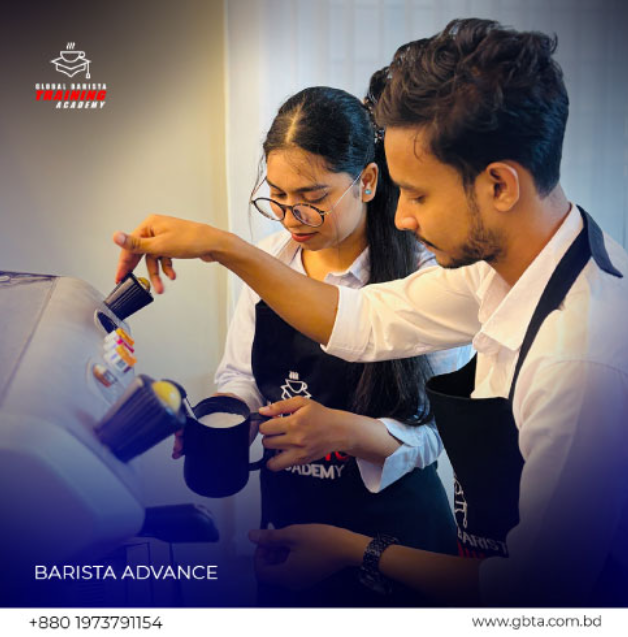
The hands-on sessions were my favorite part. Working in a simulated café environment helped me gain real-world experience. Trainers corrected my mistakes, shared tips, and encouraged experimentation. I learned how to troubleshoot equipment on the spot and adjust recipes for taste. This practice made me feel fully prepared for a professional setting.
Certification and Career Benefits
Completing the course gave me a barista certification in Dhaka, which opened doors to café jobs immediately. The certificate wasn’t just a piece of paper—it validated my skills and knowledge. I also built connections with instructors and peers, some of whom later offered collaboration opportunities. Today, I can confidently say the training boosted both my skills and my career prospects.
Choosing the Right Barista Academy in Dhaka
Not all academies are the same. I chose one after checking their accreditation, trainer experience, and hands-on learning focus. Talking to past students gave me confidence that I’d get proper guidance. The right academy made learning smooth, enjoyable, and highly practical, and it ensured I could actually apply my skills in real cafés.
FAQs About Barista Courses in Dhaka
How long does a typical course last?
The program I joined lasted around 6 weeks. It was intensive enough to cover all skills without feeling rushed.
What is the cost of a barista course in Dhaka?
My course cost around 15,000 BDT. It felt worth every penny given the knowledge, equipment access, and trainer guidance.
Do beginners need prior experience?
Not at all. I started as a complete beginner. The course starts with basics and gradually builds your skills.
Can students get certified after the course?
Yes, I received a recognized certification that helped me apply for professional barista roles confidently.
What career paths are available after training?
After completing the course, I got offers from cafés in Dhaka and even explored freelance coffee catering. The skills also gave me confidence to think about starting my own coffee business in the future.
Conclusion
A Barista Course in Dhaka teaches far more than coffee-making. It builds confidence, creativity, and professional skills. Personally, it turned my curiosity into a tangible craft I enjoy every day. Professional training equips you to work in cafés, develop unique drinks, and even consider running your own coffee venture. If you love coffee, I highly recommend taking the leap—you’ll discover skills and opportunities you never imagined.
Leave a Reply